

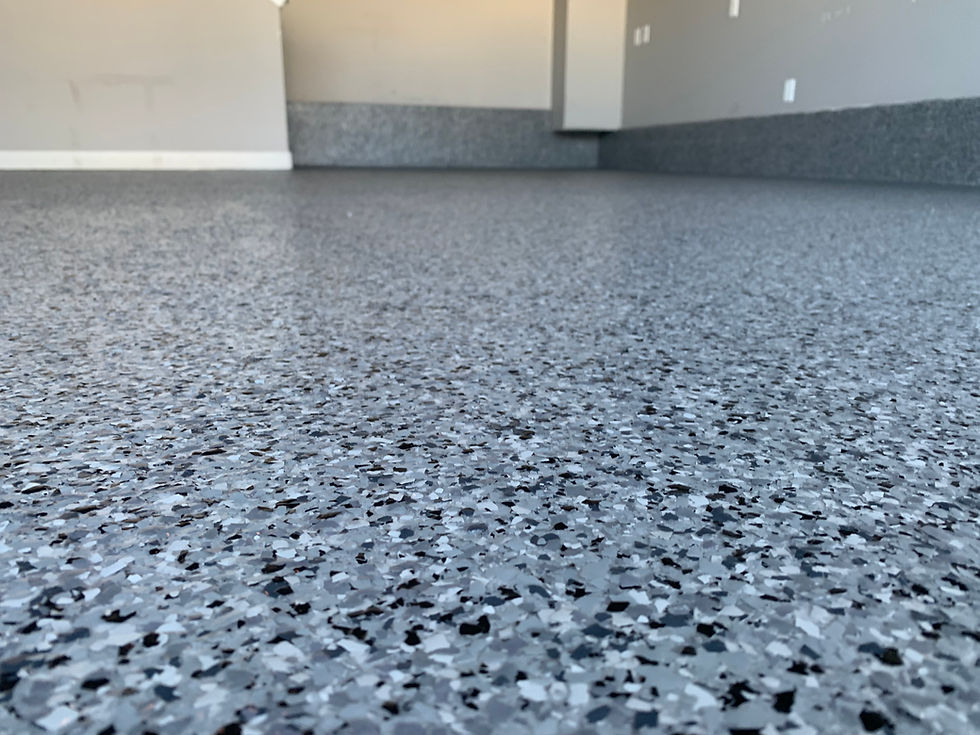
Hardened, sealed and built to last
Polishing
Polished concrete flooring offers exceptional durability and strength, standing up to heavy use while resisting stains and wear when properly maintained. It’s also a cost-effective, low-maintenance solution with versatile design options—from dyed to acid-stained finishes. The beauty of a polished floor is unmatched.
The process of polishing a floor is unlike any other flooring system. The concrete is ground to the desired level of exposure. These levels are classified as A, B, and C and are defined by the amount of aggregate exposed during the grinding process.
After the desired depth is achieved, a densifier is applied and the floor is honed to give it the level of desired gloss. Finally, a sealer is applied to ensure the floor stays in pristine condition. The sealer sinks into the concrete and is invisible to the naked eye yet is protecting the concrete from the inside out.
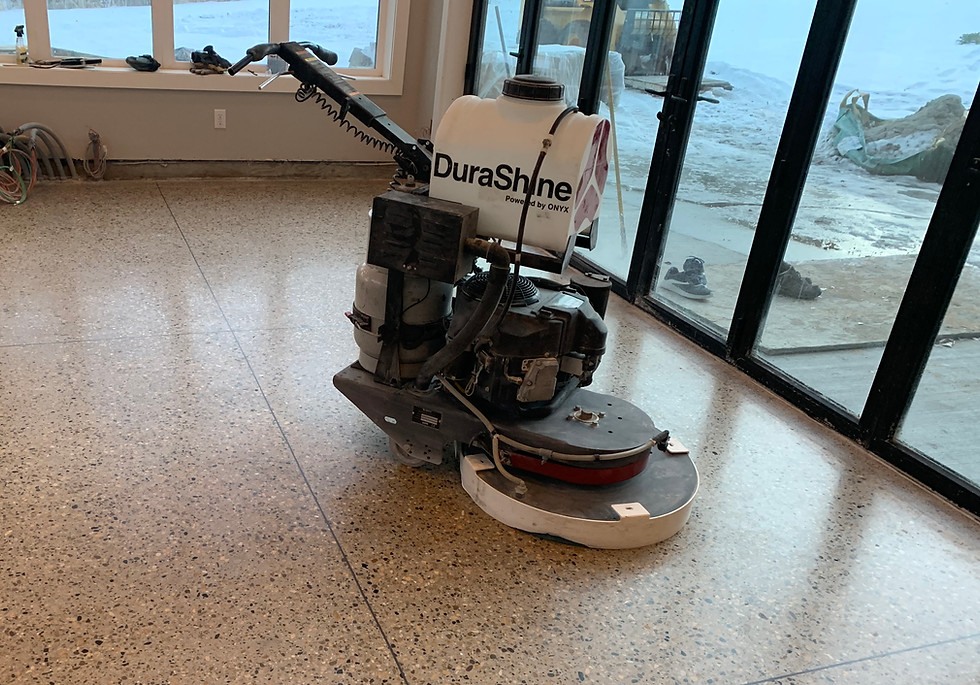
Polishing
During the polishing process an internal impregnating sealer is applied. The sealer sinks into the concrete and is invisible to the naked eye. It not only protects the concrete from the inside out, it also hardens and densifies the concrete. This eliminates the need for a topical coating, which reduces maintenance significantly (versus if you had a coating on it). Some contractors spread a commercial polishing compound onto the surface during the final polishing step, to give the floor a bit more sheen. These compounds also help clean any residue remaining on the surface from the polishing process and leave a dirt-resistant finish.
WHY POLISH?
Durability and Strength
When properly installed, they can withstand wear and tear for a long time. You can rely on their toughness to handle the pressure of heavy equipment or foot traffic in your space. Spills come up easily and won’t permanently stain a properly installed and maintained polished concrete floor.
Cost-Effective
Compared to other flooring materials, polished concrete is quite wallet-friendly when it comes to the lifetime cost of the floor.
Low Maintenance
Easy to care for - don’t need to be waxed. Moisture and Mold Resistance. Although polished concrete floors are durable, they can still develop cracks and stains Regular maintenance and the use of protective sealers can help guard against staining.
Design Options and Versatility
It is a common misconception that slate gray is your only color option when you have a polished concrete floor. Nothing could be further from the truth. Whether you’re a homeowner or are considering concrete floors for your commercial or retail space, your style options are almost limitless - acid stained concrete floors and dyed concrete floors.
Environmentally Friendly
Traditional flooring systems require one or more product(s) be placed on top of the concrete foundation. These options will need replacing over time. Polishing allows for less material production, less transportation impact, and less landfill waste; it is also low (or no) VOCs. The finished surface is extremely durable, which means fewer repairs over time. Selecting polished flooring for your project can contribute toward LEED certification.
CLASSES
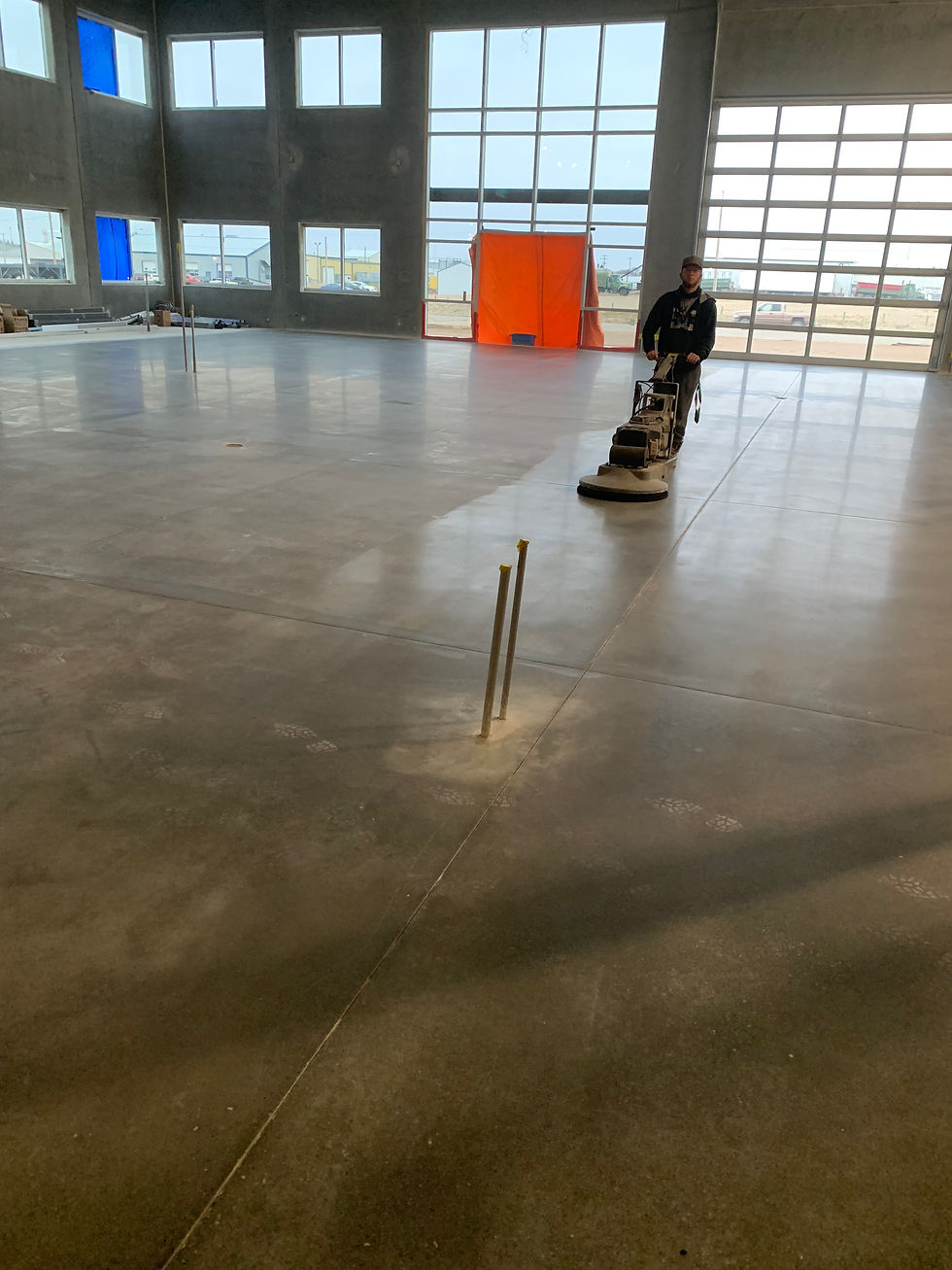
In concrete polishing, “classes” refer to the level of aggregate exposure achieved during the grinding process. Each class indicates how much of the surface cement is removed, ranging from minimal exposure with a smooth, uniform appearance to deeper grinding that reveals larger stones within the concrete. These classes help define the overall look of the floor and are typically selected based on aesthetic preference and the condition of the existing slab

Each class, or level of exposure, offers a distinct visual outcome. For a bold, high-end appearance, full aggregate exposure reveals the rich character and texture of the concrete’s natural stone. Alternatively, cream and partial exposures offer a more uniform, understated finish with a clean, modern feel.
Key factors to consider when choosing the level of exposure are:
-
Intended use of the space
-
Number of square feet
-
The integrity of the concrete
-
How well the surface was finished after it was poured
-
Level of desired sheen
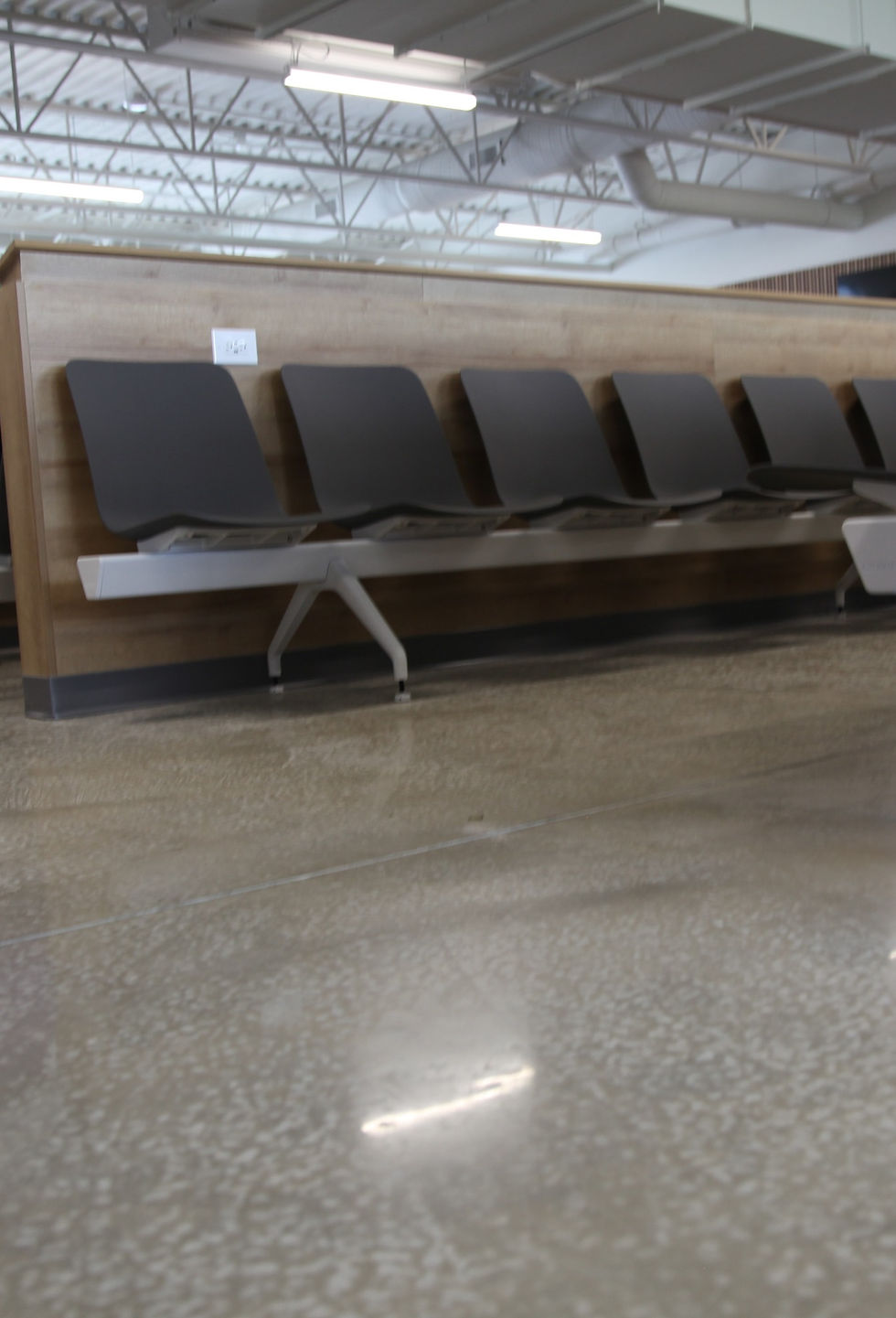
CREAM POLISH
Class A
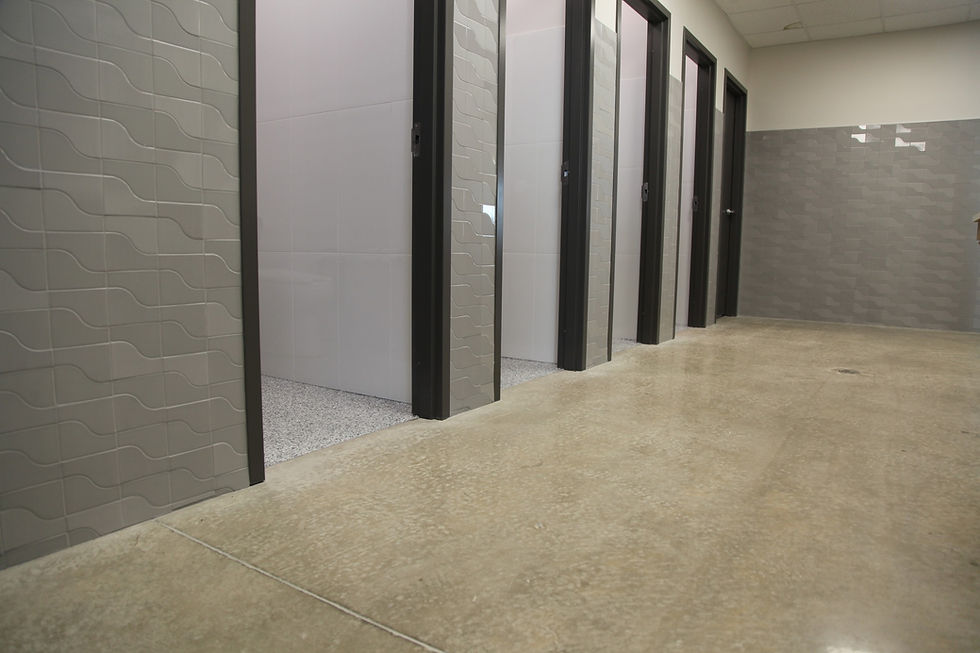
Ideal for expansive spaces such as warehouses, distribution centers, manufacturing facilities and commercial spaces, or any space that requires a minimum level of grinding to reap the benefits of a polished floor. This entry level polish is ideal for high traffic areas as it is quite durable with a lifespan of 20+ years; virtually maintenance free, spill resistant, and slip resistant. Completion rates are approximately 1000 square feet per day, per machine, for this level of polish.
General features
• Ground to expose minimal surface cream which provides a uniform look
• Heavily dependent on the placement and finishing quality of the slab; not as forgiving of concrete imperfections
• Densified and sealed
• Gloss level to preference

SALT & PEPPER
Class B
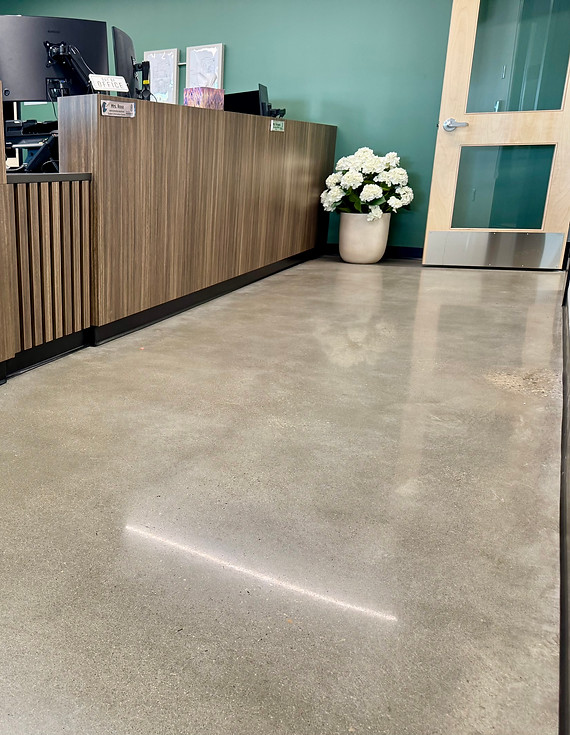
Ideal for spaces of all sizes which desire the esthetic appeal of a higher level polish while keeping cost and timelines in mind. The durability of a Class B polish is slightly higher than a creme polish which extends the lifespan yet still very low maintenance.
Just like the creme polish a Class B polish is slip resistant as well as spill resistant (when properly sealed). Completion rates are approximately 800 square feet per day, per machine, for this level of polish, however, slab integrity will impact momentum.
General features:
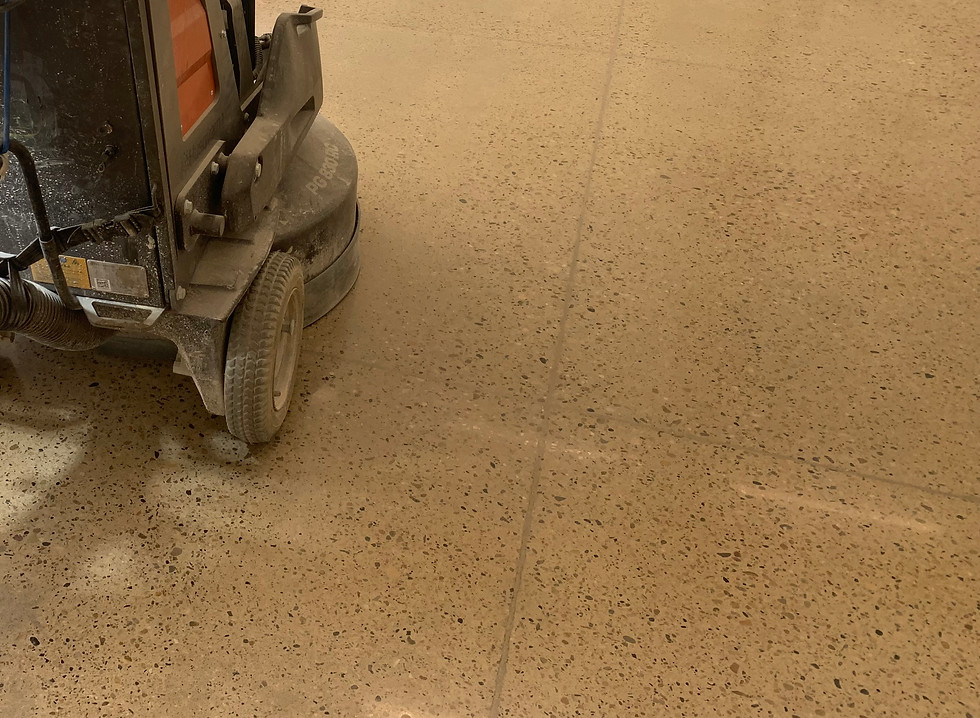
• Ground to expose fine aggregate just below the surface cream providing a balanced look overall
• More forgiving of slab imperfections
• Densified and sealed
• Gloss level to preference
FULLY EXPOSED
Class C
Ideal for spaces where a bold, high-end appearance is a priority. Full aggregate exposure reveals the rich character of the concrete’s natural stone. This high level of polish is extremely durable and ranks highest in lifespan with minimal maintenance.
Like the other levels of polish fully exposed concrete is spill resistant (when properly sealed) yet, slightly less slip resistant when wet and for this reason we recommend entryway mats are used. Completion rates for a fully exposed are less predictable as they are heavily dependent on the integrity of the slab.
General features:
• Heavy aggregate exposure
• Most forgiving of slab imperfections
• Densified and sealed
• Gloss level to preference
CREAM POLISH
Collapsible text is perfect for longer content like paragraphs and descriptions. It's a great way to give people more information while keeping your layout clean. Link your text to anything, including an external website or a different page. You can set your text box to expand and collapse when people click, so they can read more or less info.
SALT & PEPPER
Collapsible text is perfect for longer content like paragraphs and descriptions. It's a great way to give people more information while keeping your layout clean. Link your text to anything, including an external website or a different page. You can set your text box to expand and collapse when people click, so they can read more or less info.

FULLY EXPOSED
Collapsible text is perfect for longer content like paragraphs and descriptions. It's a great way to give people more information while keeping your layout clean. Link your text to anything, including an external website or a different page. You can set your text box to expand and collapse when people click, so they can read more or less info.
THE PROCESS
Pre-polishing includes:
□ Review of joints and crack control measures
□ Ensuring power requirements are met
□ Mohs hardness test
□ Coordination with other trades
□ Removing existing materials
□ Crack filling
*Increasing aggregate exposure at any stage requires re-opening the floor and returning to the initial steps of the grinding phase.
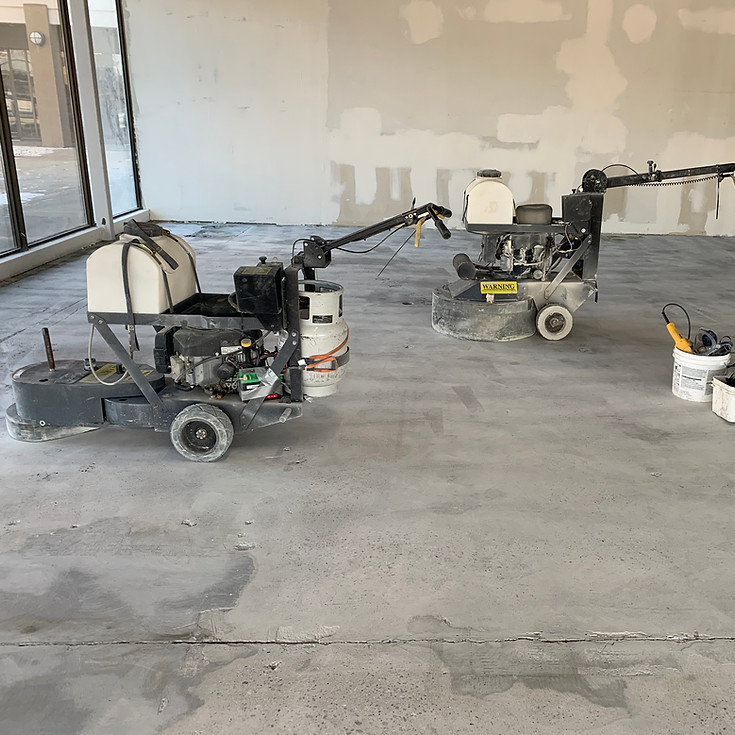
1. GRINDING
The slab is opened up with low grit tooling.
Level of exposure is achieved through numerous passes.*
2. HONING
Scratches removed.
Densifier is applied in a number of stages and the floor is closed up.
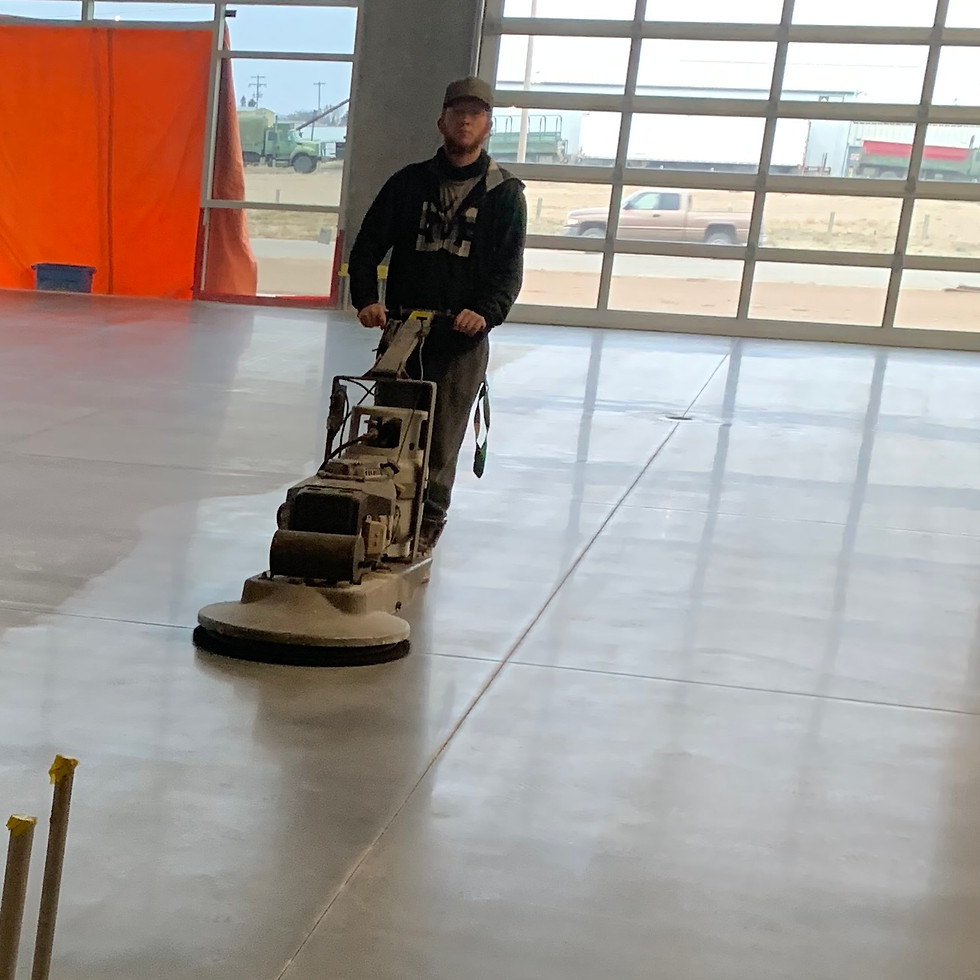
3. POLISHING
The slab is further refined with polishing pads and gloss level is achieved.
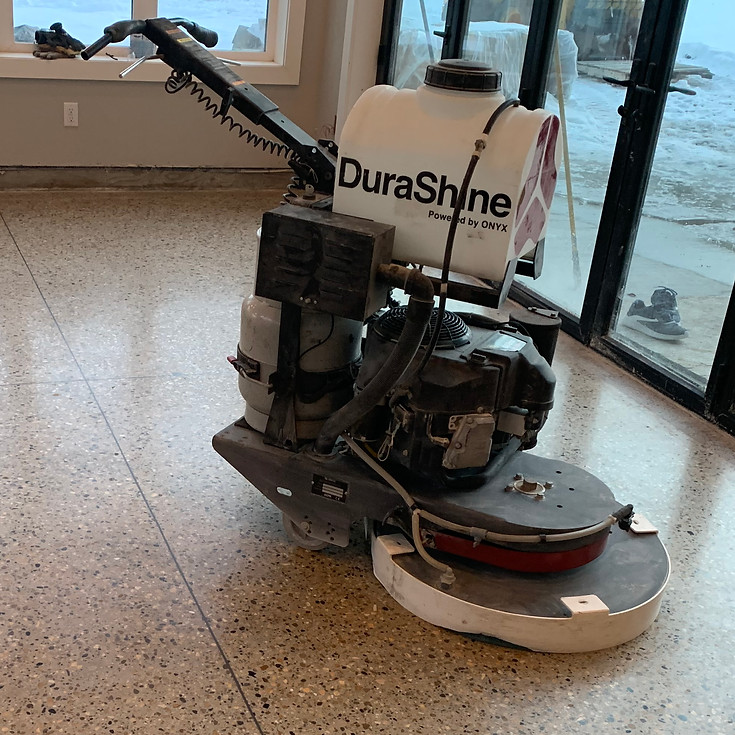
When Varience Occurs
Below are some examples of imperfections that may be revealed in a slab during the polishing process.
When the plan is to polish, it is essential that the batch plant, finishers, and polishers are aligned before work begins.
Concrete that has been mixed and/or finished without polishing in mind can lead to unwanted surprises. Unfortunately, what is uncovered is often set in stone.
Examples Include:
• Wavy appearance created by an uneven surface
• Power trowel swirls
• Hand trowel lines
• Low spots/bird baths or high spots
• Cold seams (where one pour meets the next)
• Soft concrete (heavy pitting)
• Mix inconsistencies leading to variation in aggregate exposure
• Additional examples as provided in photos


